Scope of Services
- Condition assessment and documentation
- Structural stabilization and reassembly
- Loss compensation where appropriate
- Surface integration and color matching
- Preventive conservation recommendations
Treatments are tailored to the specific material composition, age, use history, and significance of each object.
Materials & Methods
Conservation treatments are carried out using archival-grade adhesives, fills, and surface materials selected for long-term stability and compatibility with the original substrate. Where appropriate, reversible or retreatable materials are favored. Color integration is designed to remain visually stable over time and to respect the original surface character of the object.
All treatment decisions are made with attention to minimizing intervention while achieving structural integrity and visual coherence.
Documentation
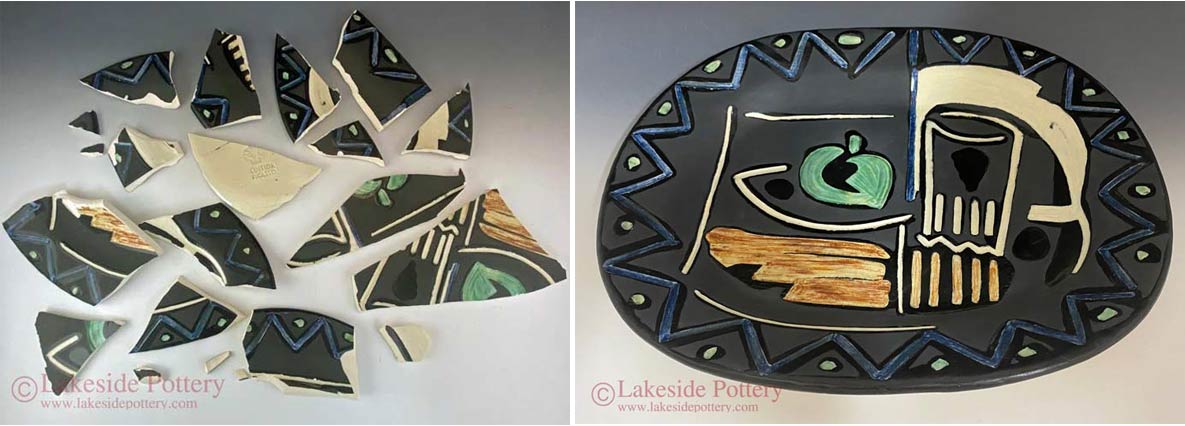
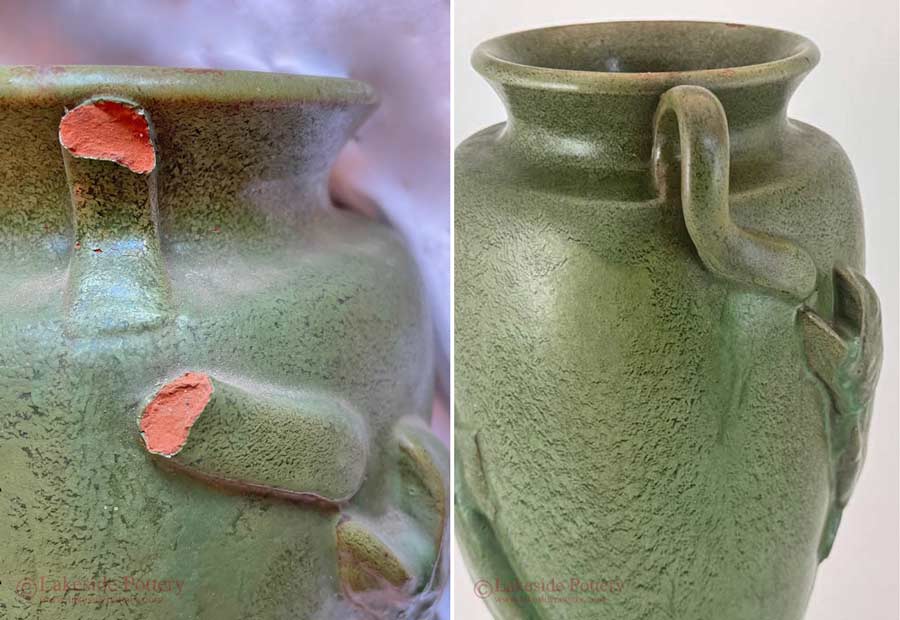
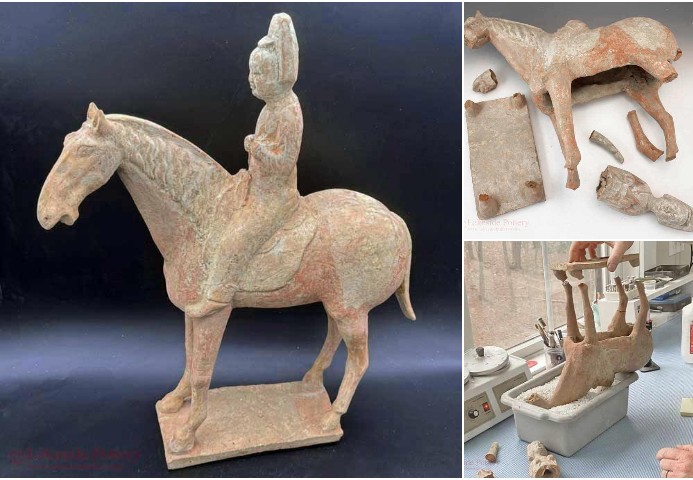
Each object is evaluated individually and documented photographically before, during, and after treatment. Written treatment notes are maintained for internal records and may be provided upon request.
Treatment approaches prioritize long-term stability, material compatibility, and documentation suitable for institutional records.
Loss Compensation & Reconstruction
When losses are present, compensation is considered on a case-by-case basis. Reconstruction may range from structural stabilization without visual integration to fully integrated fills, depending on the object's function, significance, and conservation goals. Any reconstruction is documented as part of the treatment record.
Preventive Considerations
Clients may receive recommendations regarding handling, display, environmental conditions, and long-term care to reduce the risk of future damage.
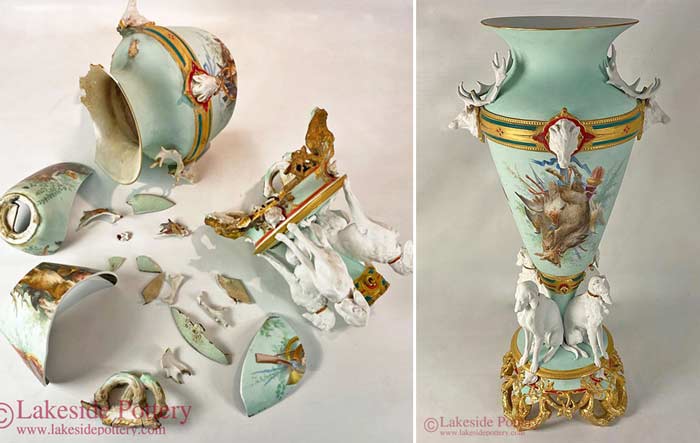
Representative Treatment Example
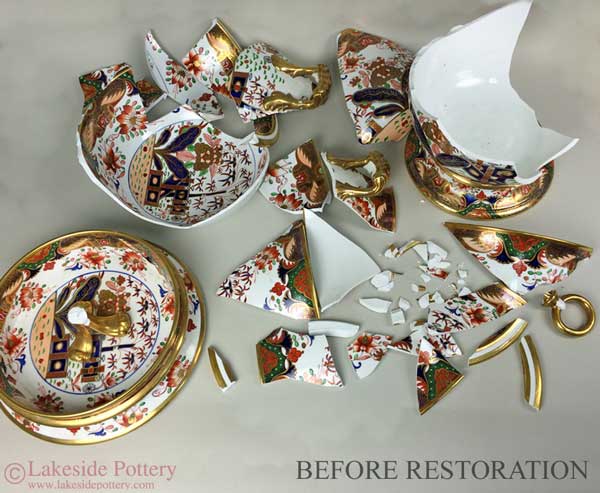
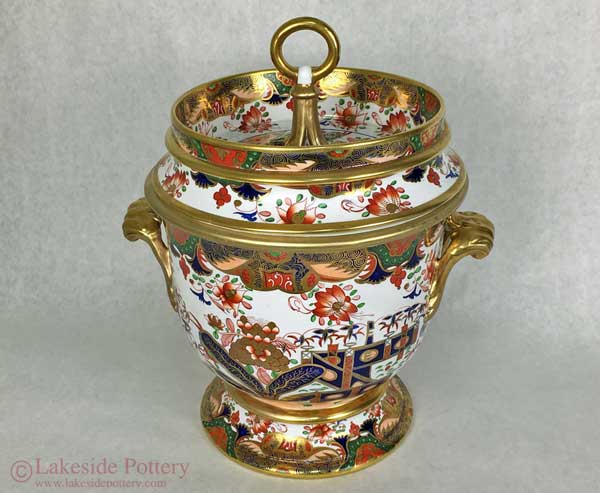
Object: Glazed ceramic vessel
Condition: Multiple fractures with displacement; minor material loss
Treatment:
- Disassembly and surface cleaning (as appropriate)
- Structural reassembly using archival adhesive
- Compensation of losses with stable fill material
- Surface integration to visually unify repaired areas
Outcome: The object was structurally stabilized and visually reintegrated, with repairs designed to remain stable under normal display conditions. All interventions were documented photographically.
Inquiries
Preliminary treatment assessments are conducted based on submitted photographs and object details. Final treatment recommendations are confirmed upon direct examination when required. Sumbit an Estimate Request
Objects Commonly Referred for Conservation
- Museum-quality ceramic and porcelain objects
- Antique Chinese, European, and Middle Eastern ceramics
- Meissen, Sevres, Royal Doulton, and comparable porcelain
- Estate, insurance, and collection-based conservation cases
- Historically or culturally significant ceramic artifacts