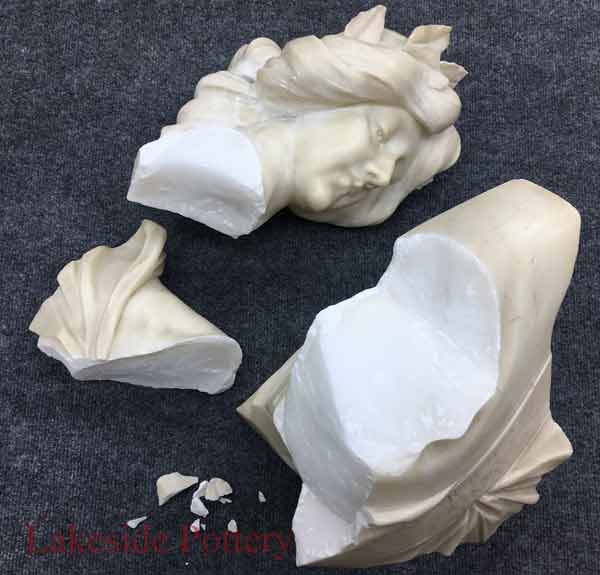
When a ceramic, sculpture, or decorative object breaks, a common concern arises:
“If I repair this, will it lose its value?” The answer is not simple. It depends on what the item is,
the nature of the damage, the expectations of its market, and the quality of the restoration.
At Lakeside Pottery Studio, we are not appraisers and we do not offer valuation services.
The information below is meant as a general guideline and a tool for thinking through whether
restoration is the right way to go.
1. How Object Type Affects Value After Repair
The impact of restoration varies widely depending on the category of the item.
Understanding the type of ceramic or sculpture you own is helpful when evaluating restoration options.
A. Museum Quality, Historic, or High End Fine Art Pieces
For rare porcelain, archaeological objects, Tiffany Studios glass, early Chinese ceramics, Meissen,
Sèvres, and similar works, restoration almost always reduces value compared to a perfect example.
The degree of reduction depends on rarity, demand, and how visible the restoration is.
Even a perfect seamless repair is still considered repaired to collectors.
B. Decorative Ceramics, Contemporary Pottery, Modern Sculptures
For most decorative or contemporary pieces, buyers are more flexible about repairs.
Value loss ranges from minimal to moderate depending on break severity and quality of the restoration.
Display value often matters more than resale value.
C. Functional Pottery Converted to Decorative Use
Once a functional vessel is broken, it cannot be used for food, liquids, heat, or scrubbing.
A high quality restoration can preserve its display value even though functional value is permanently lost.
2. How Restoration Method Affects Value
The method and craftsmanship of the repair strongly influence appearance and longevity.
A. Museum Quality Seamless Restoration
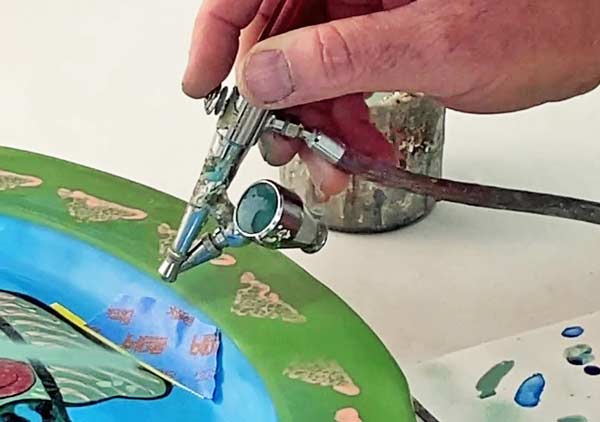
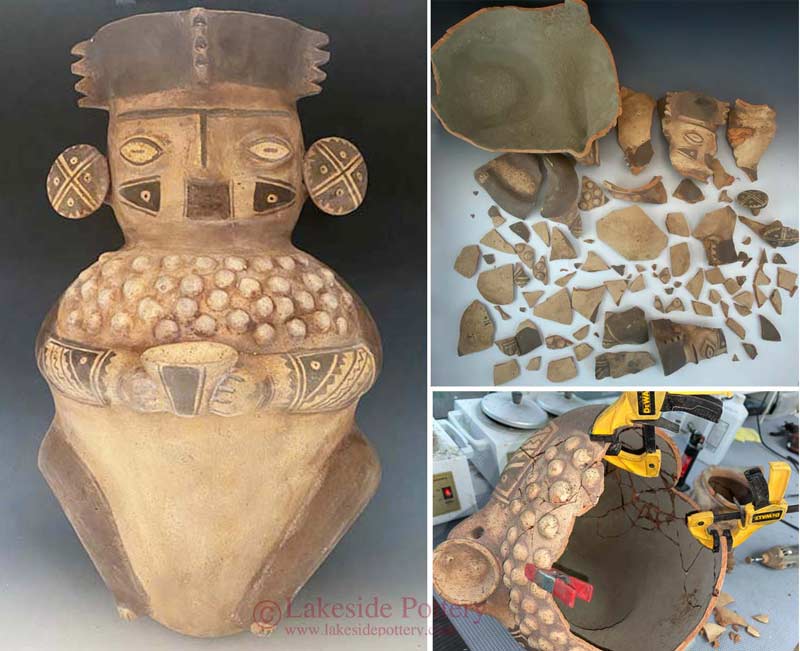
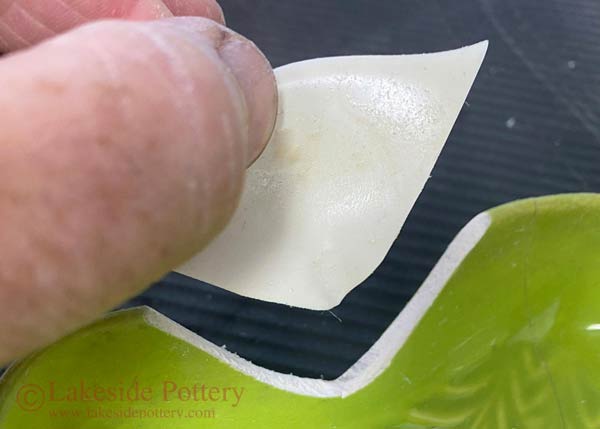
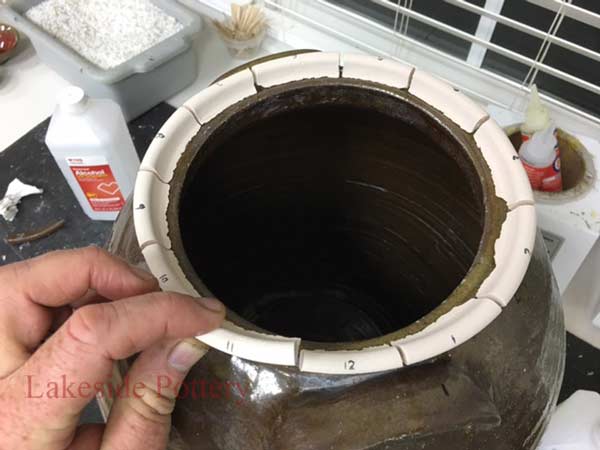
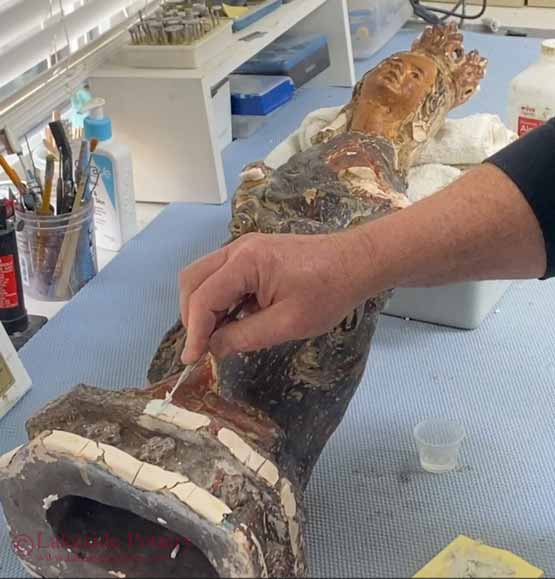
This professional standard includes structural adhesives, precise alignment, rebuilding missing areas,
sanding, pigment work, airbrushing, and UV stable clear coats. A seamless restoration retains the most
display value and is preferred for valuable or collectible items.
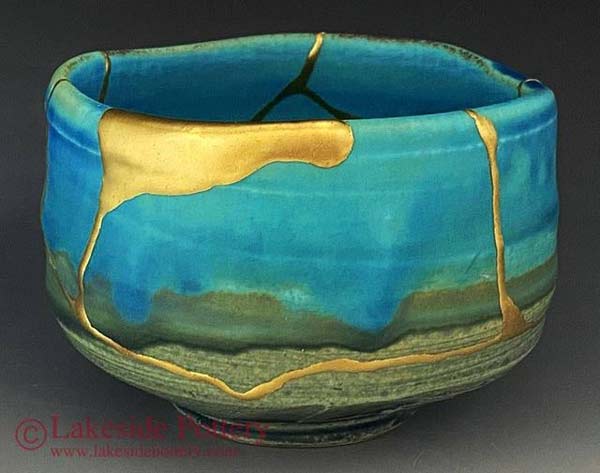
B. Kintsugi and Gold Effect Kintsugi
Kintsugi is an artistic reinterpretation of breakage. Its impact on value depends on the object,
the aesthetic result, and buyer preference. For many decorative pieces, Kintsugi can increase artistic
and sentimental value.
C. Amateur or DIY Repairs
Improper materials, misalignment, excess adhesive, and uneven finishes greatly reduce value.
A poor repair often decreases value more than leaving the item broken. Removing amateur work adds cost and risk.
3. Why the Restorer’s Skill and Materials Matter
Who performs the restoration plays a major role in the outcome.
A. Experience and Skill
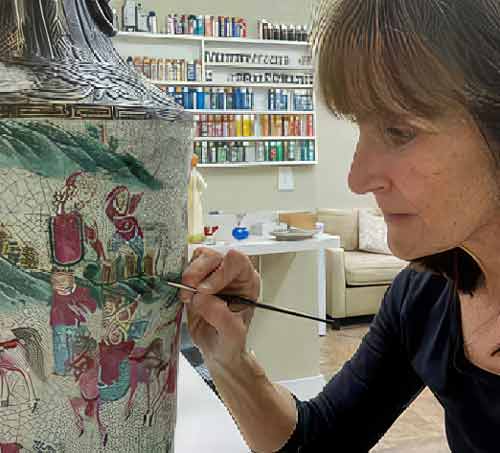
Expert restorers understand alignment, texture replication, material behavior,
and accurate color and sheen matching. This combination of technical and artistic skill is essential.
B. Use of Archival and Non Reactive Materials
Professional studios use structural epoxies, fillers that do not shrink, UV stable pigments,
and non yellowing coatings. These ensure long term stability.
C. Mechanical Integrity
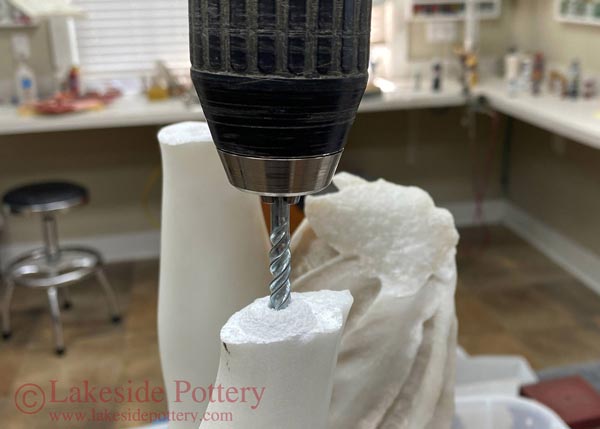
A quality repair must be both visually refined and structurally sound.
Clean joins and accurate alignment prevent future failure.
D. Transparency and Documentation
A reputable restorer provides realistic expectations, explains limitations,
and offers before and after photos. Reputation is built on consistent, professional results.
E. Guarantees and Satisfaction Standards
Although no repair restores original strength, reputable studios offer satisfaction guarantees
for appearance and may provide warranty support for structural or material issues.
4. Emotional and Sentimental Value
Many clients bring pieces that are priceless for personal reasons. A family heirloom,
a parent’s vase, a grandchild’s handmade pottery, an object purchased during meaningful travel,
or a sculpture tied to family history carries emotional significance.
Restoration can preserve the story and often strengthens the emotional connection.
Restored pieces offer comfort, joy, and a sense of continuity. For sentimental items,
the decision to restore is guided by connection rather than market considerations.
Why People Restore Meaningful Ceramics and Sculptures
5. When to Restore and When to Skip It
Good Reasons to Restore
- You value the item emotionally
- The piece is rare or historically meaningful
- You want it for display rather than resale
- The broken object has no purpose unless restored
- You want the object preserved for future generations
Reasons Restoration May Not Be Practical
- You want the highest resale value
- The cost of repair is greater than the item’s value
- The item is common and replaceable
- The break is so severe that results may not meet expectations
6. Guidance When Restoration May Not Be Sensible
At Lakeside Pottery Studio, we often help clients evaluate the benefits and limitations of restoring a particular piece.
Restoration can be worthwhile, but there are times when it does not make financial sense.
If we know that the same item can be purchased elsewhere for less than the cost of repairing it,
we tell clients openly. When this is the case, we note it in the estimate.
If a comparable replacement is available online, we sometimes provide a link to the listing such as on eBay.
This transparency helps clients avoid unnecessary expense and supports informed decision making.
Final Thoughts
Restoration almost always affects the value of pottery, ceramics, and sculptures, but the degree varies widely
depending on the object, the break pattern, and the quality of the work.
Each situation is unique. Lakeside Pottery Studio does not appraise value and cannot provide pre or post restoration valuations.
What we can do is explain the process, its limitations, and the likely outcome so you can make a confident decision.
If you would like guidance or a repair estimate, you are welcome to submit images through our
Repair Request Form
and we will be glad to review your item.