Pottery & Restoration Lessons & Essays
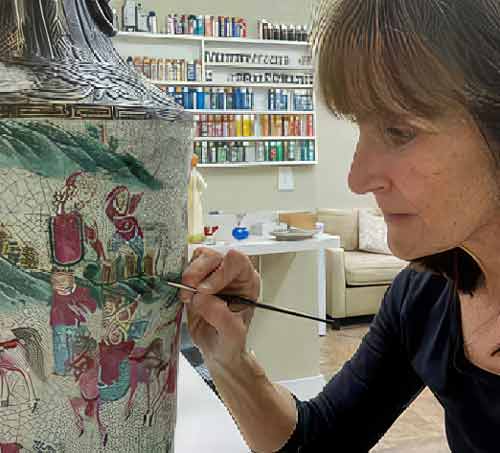
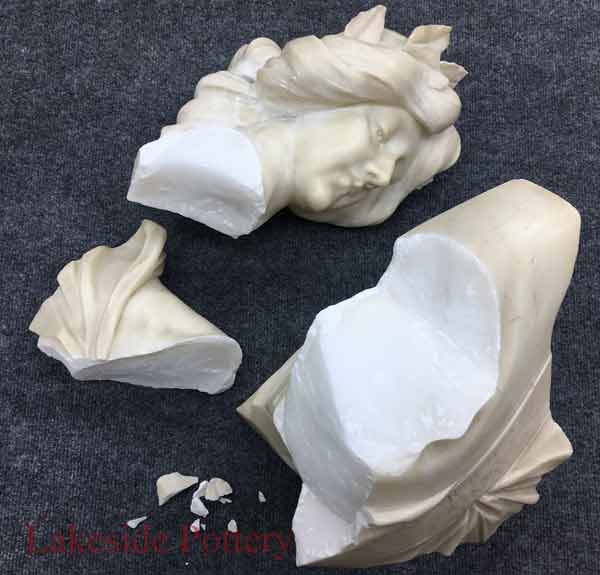
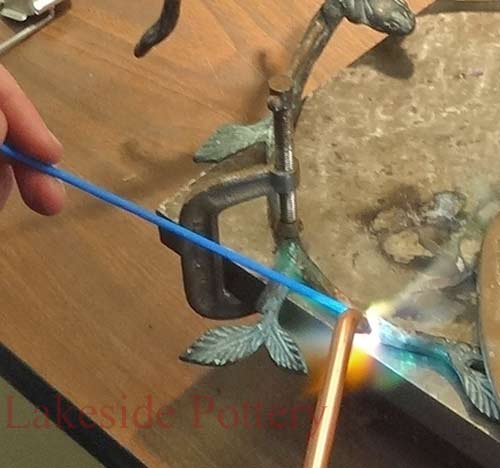
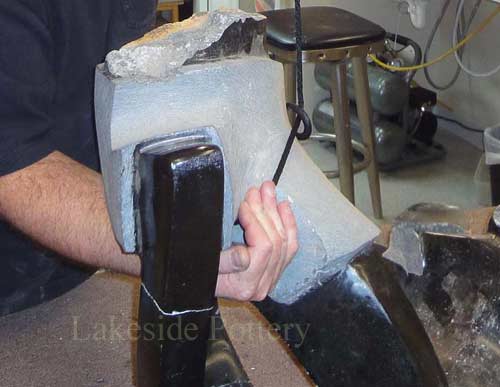
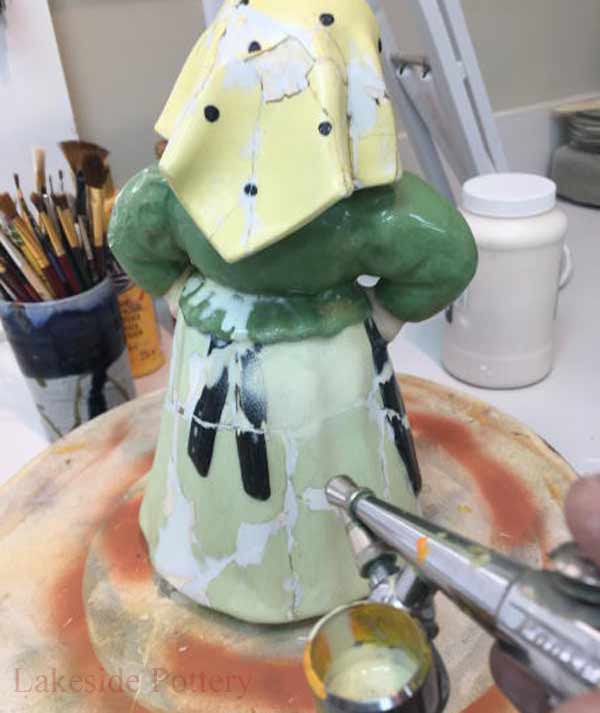
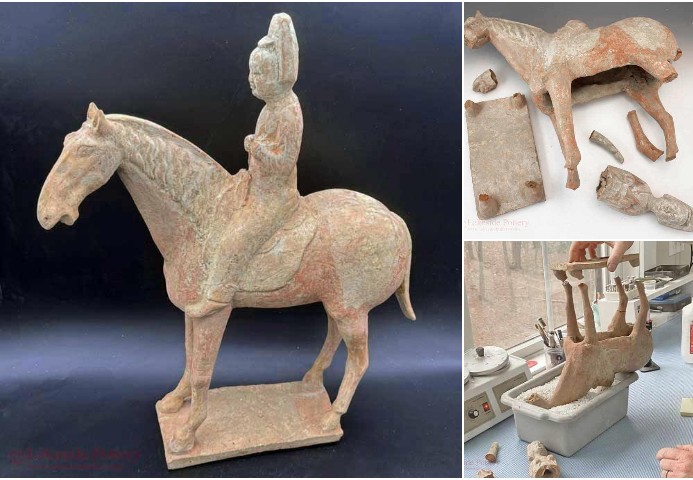
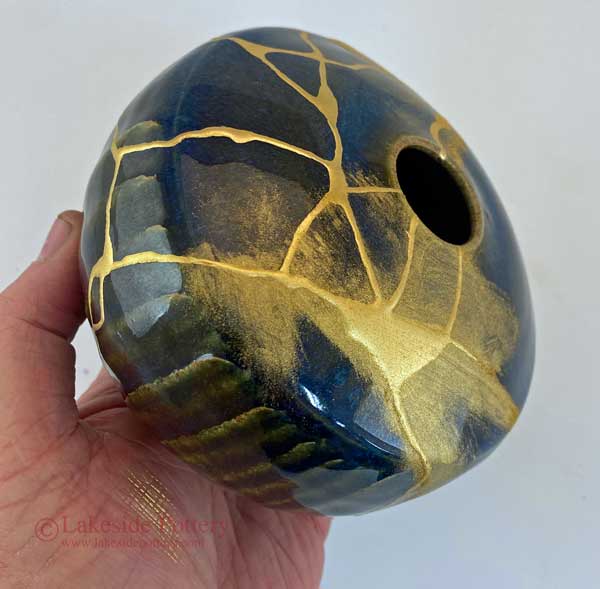
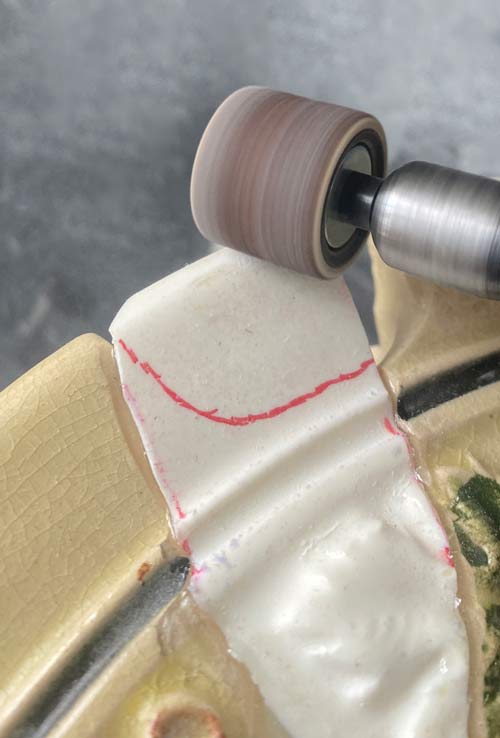
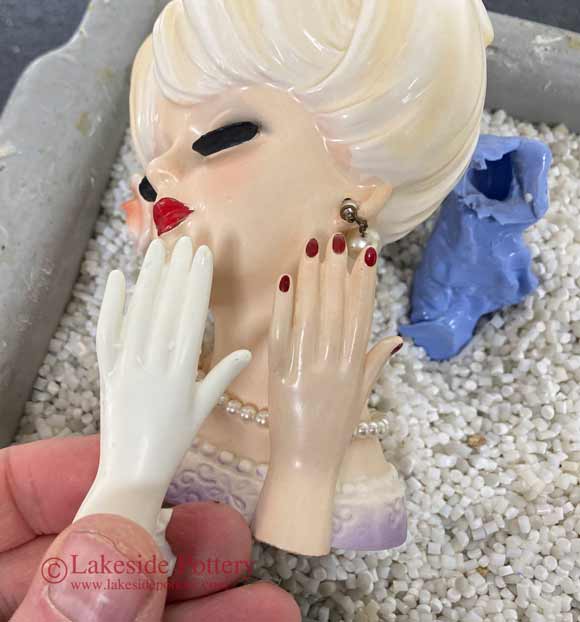
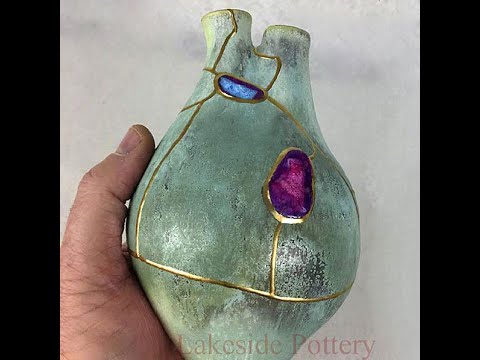
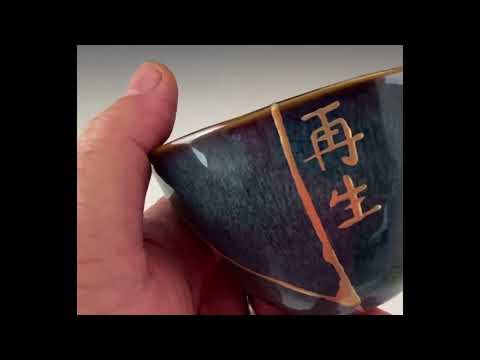
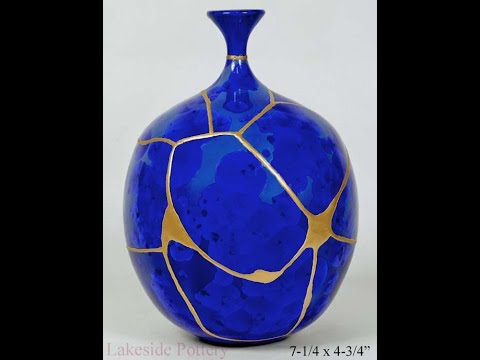
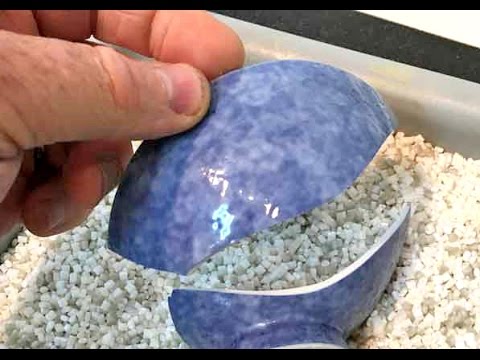
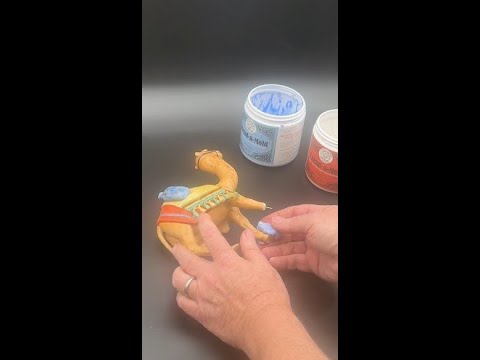
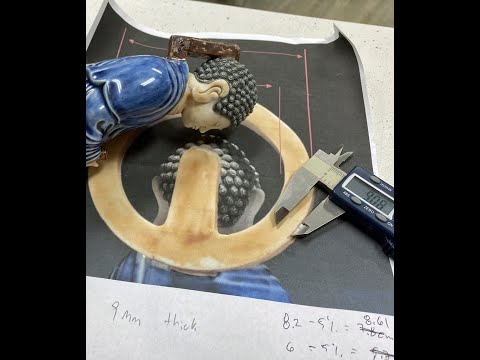
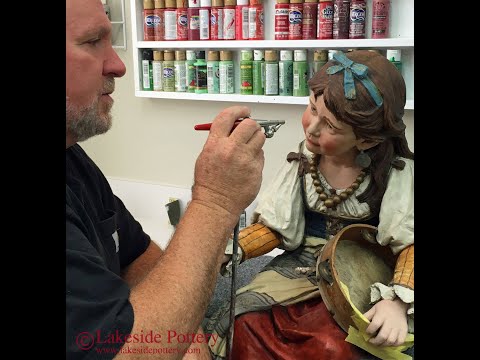
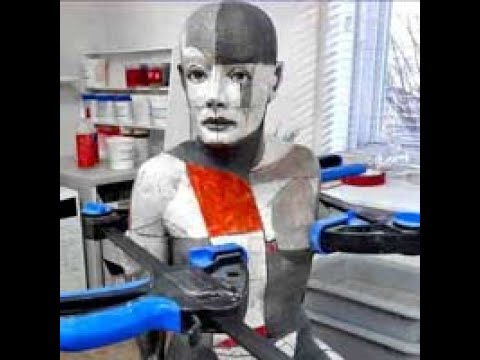
This page brings together our lessons and essays into a single indexed resource, built from over twenty years of hands-on studio work. Patty and I have been teaching pottery and ceramic art and operating a professional 3-D art restoration and Kintsugi studio since 2002.
What began as simple printed handouts for our studio students and later posted online for convenience gradually reached a much wider audience. Without any original plan to build a large public resource, people around the world began finding the information, asking for more, and pointing us toward gaps where clear, practical guidance was missing.
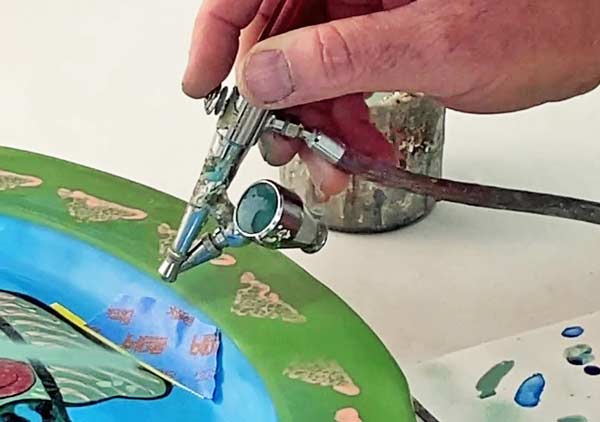
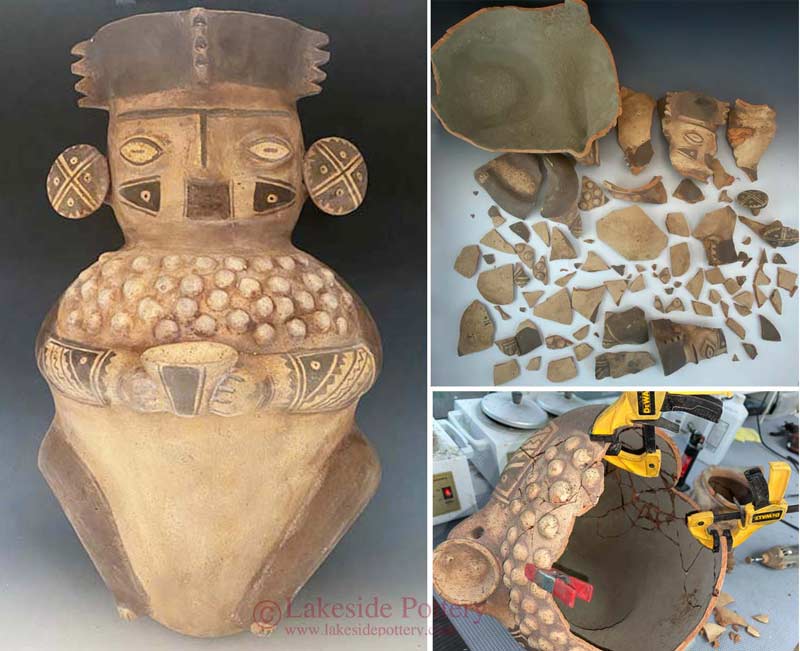
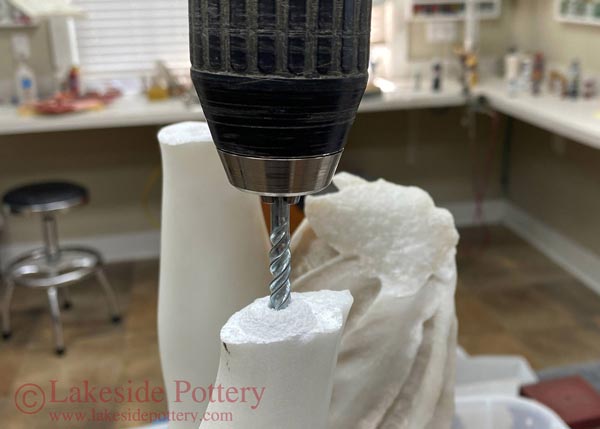
The material here reflects daily studio practice, covering hand building, studio setup, lessons for adult and children’s programs and projects, clay types, glazing, materials, safety, firing and firing types, as well as restoration topics such as structural repair, missing part reconstruction, surface finishing, and long term stability. The essays add context on why we make, why we restore, and the responsibility that comes with working on objects people care about. We continue to add to this collection, and suggestions for additional topics or areas needing clarification are always welcome. To Email us
Pottery and Ceramic Art Lessons
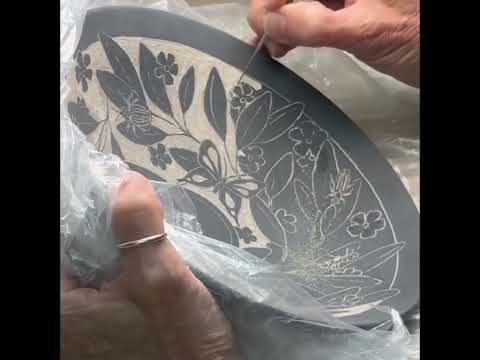
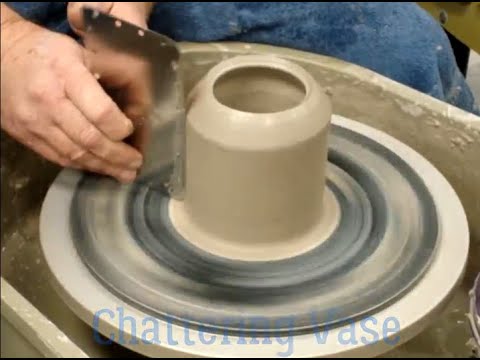
This is a comprehensive index of free pottery and ceramic art lessons covering wheel throwing, hand-building, surface decoration, glazing, kiln firing, safety, materials, and studio practices. Each lesson title in this list is clickable and opens a full tutorial, many with step-by-step explanations, photos, and videos, allowing you to view and explore every topic in depth. Click above to explore all lessons.
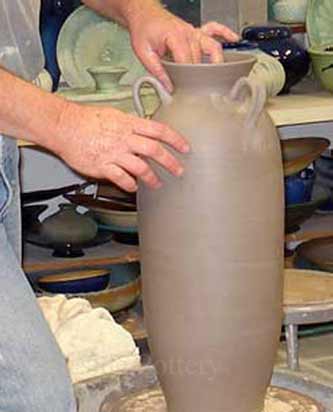
- How to Throw a Pot Step By Step Tutorial
- Removing Thrown Pot Off the Wheel / Bat
- How to Trim a Pot Step By Step Tutorial
- Choosing The Right Clay | Wheel Throwing
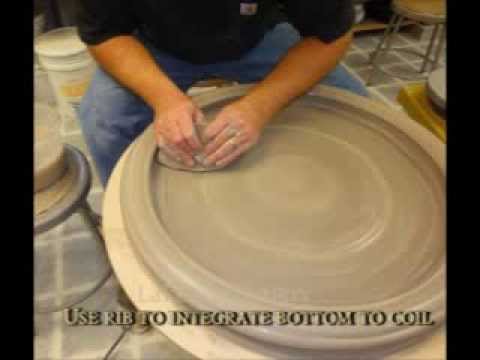
- Stage Throwing and Trimming a Large Plate
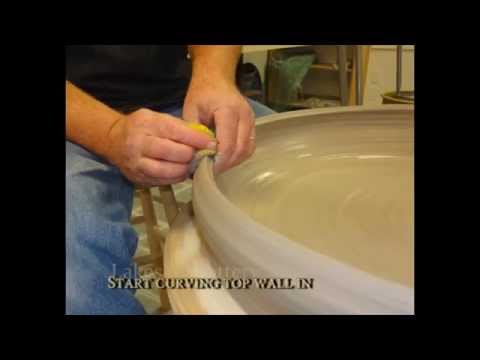
- How to Throw a Very Large Bowl - Tutorial
- Surface Texture on Thrown Pottery
- Tools and Tricks | Pottery Surface Texture
- How to Make Large Hookah / Shisha Bowl
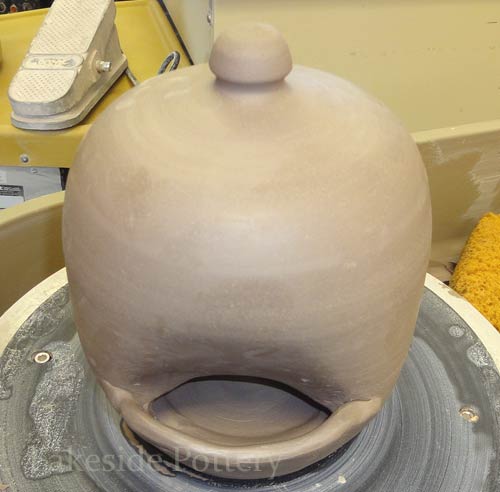
- How to Make Chicken / Poultry Waterer
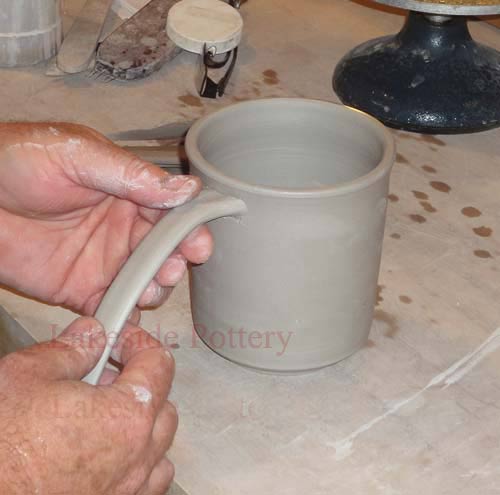
- How to Make Mug and Pulling Handle
- Tips and Tricks on Plates and Platters
- Weight of Clay For Different Pottery Ware
- Hand-building Methods
- Handbuilding Projects Ideas
- How to Make Large and Small Coiled Pots
- Choose The Right Clay For Hand Building
- How to Construct Clay Quilt | Hanging Art
- How to Construct a Large Slab Project
- How to Construct Clay Vase | Slab Lesson
- How to Decorate Pottery using Sgraffito
- How to make a Pinchpot Clay Hedgehog
- Soft Hump-mold Sculpting Tutorial
- How to Make Ceramic Water Font
- How to Make Starfish and Sea Animals
- How to Make Ceramic Shoe, a Slab Project
- How to Make Ceramic Tiles and Flat Forms
- Easy Way to Make a Tray Using Push Foam
- Impressing Patterns and Texture in Clay
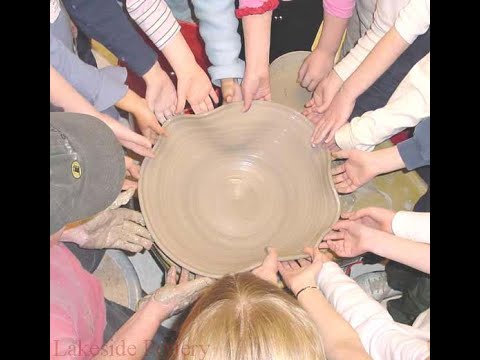
- Children Projects at Lakeside Pottery
- Kids Animal Projects at Lakeside Pottery
- Electric Kiln Firing and Tips
- Fire, Melt and Fuse Glass With Ceramic
- How to Estimate Electric Kiln Firing Costs
- How to Select The Right Kiln Shelves
- Lakeside Pottery Raku Guide
- How to Choose a Bisque Firing Temperature
- What Are Clay Drying and Firing Processes
- Reduction Firing
- All About Kiln Vent
- Transformation of Ceramic Materials Relative to Temperature
- How to Troubleshoot an Electric Kiln Guide
- Guide to Selecting Installing and Safely Operating Electric Pottery Kilns for Home Studios
- Q&A on Cones
- Our Mid-range (Cone 6) Glaze Recipes
- How to Mix and Using Glazes
- Glaze Sinking to Bottom
- Glaze Cracking Shivering Crazing Dunting
- Dipping Glazes
- Understanding Glazes
- Can Matt Glazes Be Used With Food
- What is Crazing and How to Solve it
- What is Shivering and to Correct it
- Pinholes and Pitting Issues and Solutions
- What is Glaze Blistering and How to Correct
- What is Glaze Crawling and How to Correct
- Dry Glaze Mixing Instructions
- Lead in Pottery or Ceramic
- Clay, Glaze and Firing Toxic Material List
- Successful Glazing At Lakeside Pottery
- Ceramic Decal Basics
- Making Wedging or Clay Recycling Table
- How to Make Bulk Slip and Clay Slurry
- Simple Way Preventing Clay Clogging Sink
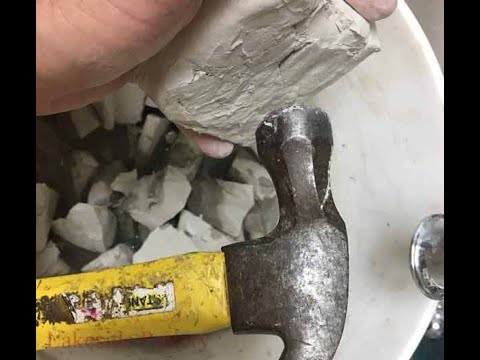
- How to Reclaim Bone Dry Clay and Scraps
- Magic Water, Magic Mud and Paper Clay
- Pottery / Ceramic Glossary and List of Terms
- Where Does Clay Comes From
- Glossary of Ceramic Raw Materials
- Clay and Pottery Brief History
- Why Do They Call It Throwing
- The Value of Clay and Pottery in School
- Iranian Woman Potter Using an Ancient Technique
Back to top
3-D Art Restoration & Kintsugi Lessons
The lessons listed below cover professional 3-D art restoration techniques, including ceramic repair, sculpture reconstruction, structural reinforcement, surface finishing, and Kintsugi. Each lesson reflects real restoration challenges, from missing parts to fragile, aged objects. Click above to explore all restoration and Kintsugi lessons.
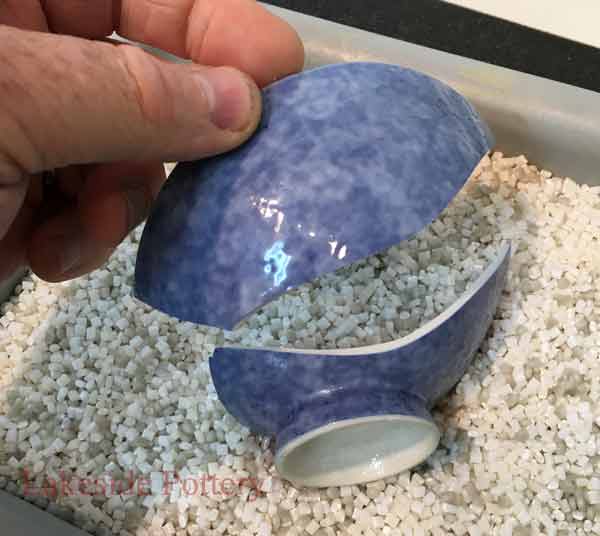
- Basic Ceramic Repair
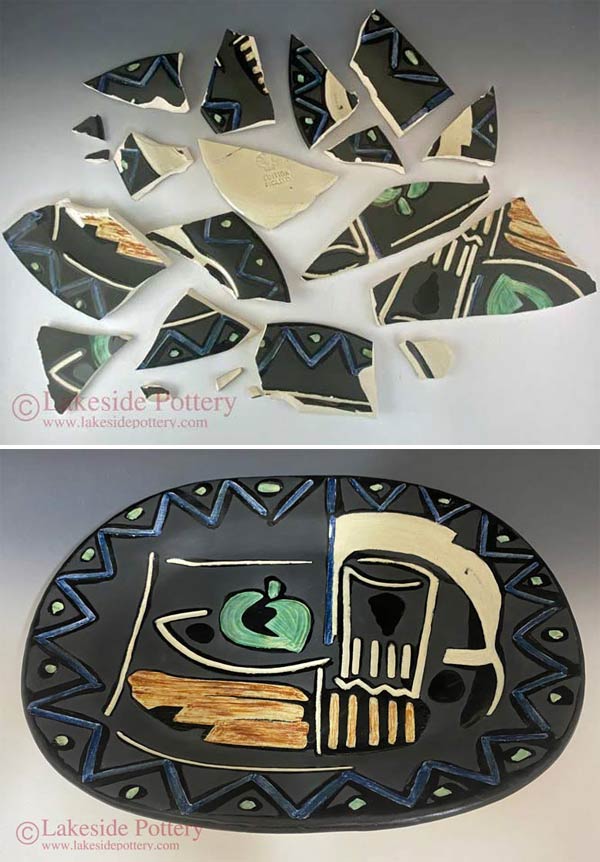
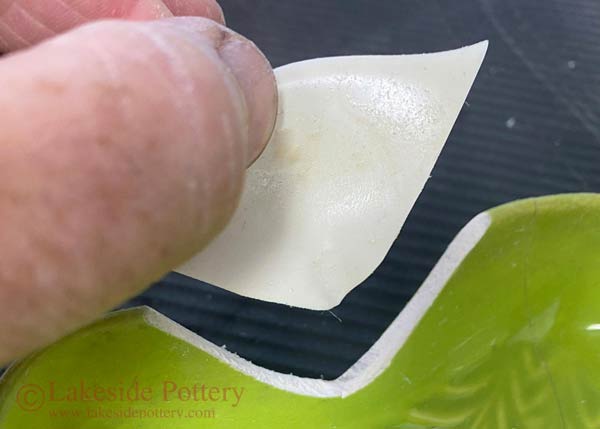
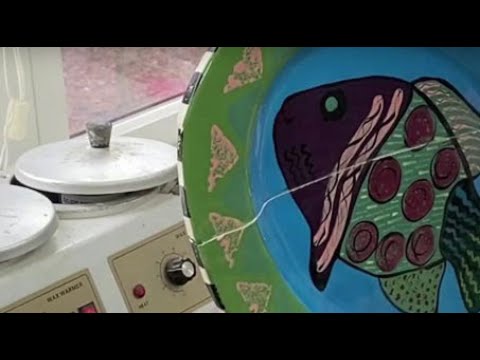
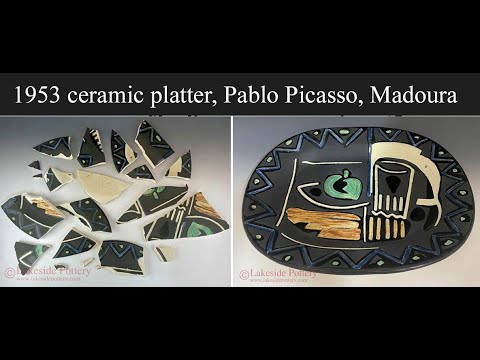
- Repairing a Ceramic Platter Step-by-Step Repair Lesson
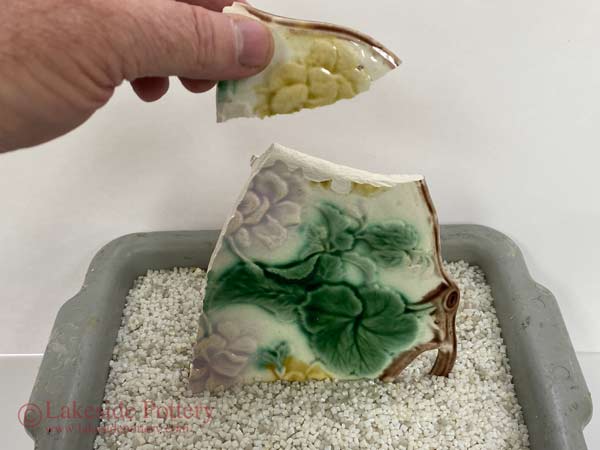
- Keeping Cemented Pieces in Place While Curing
- Chipped Pottery Repair Lesson
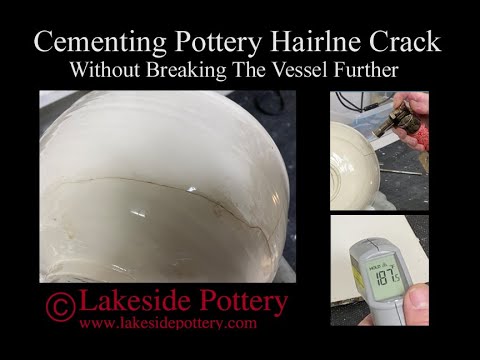
- Repairing Crack in Pottery Lesson
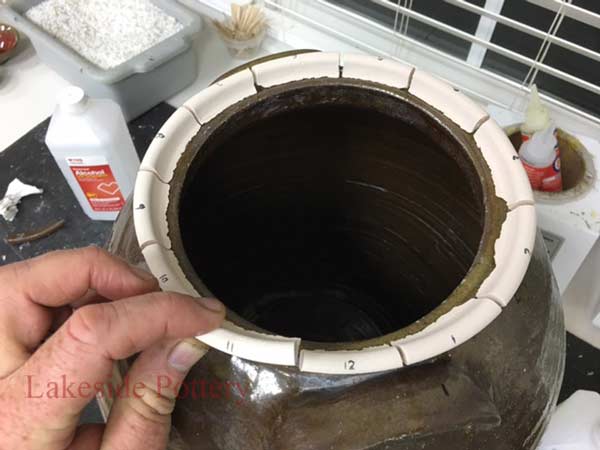
- How to Replace Stoneware Crock's Rim Seamlessly
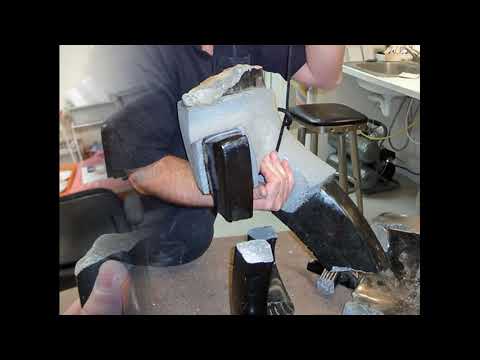
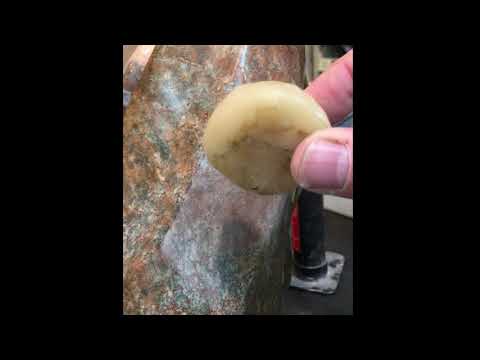
- Removing Scratches From Soft Shona Stone Sculpture
- Sculpting Sculpture Missing Segment and Mounting
Video lesson
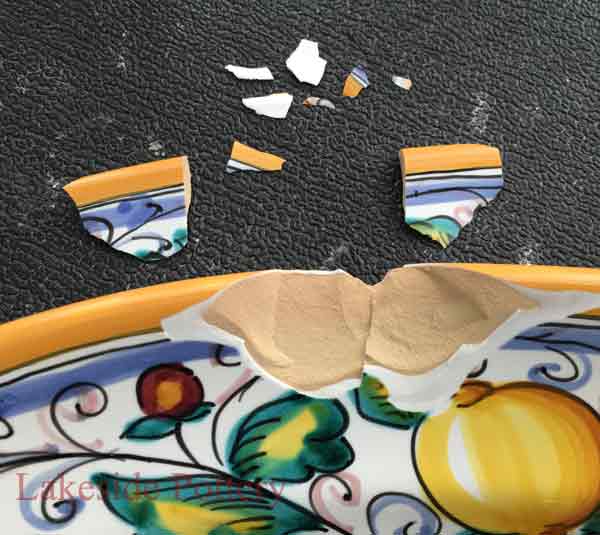
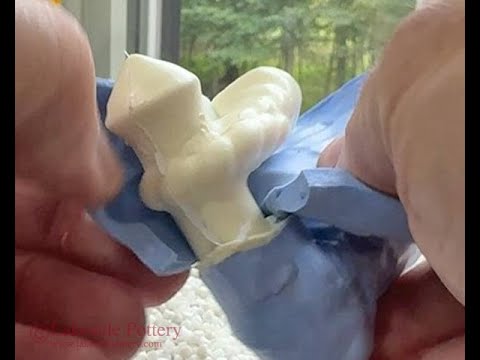
- Making Missing Pottery Section Using Resin Epoxy
Sub-lessons:
A) Missing handle on antique large vase and inserting a metal peg
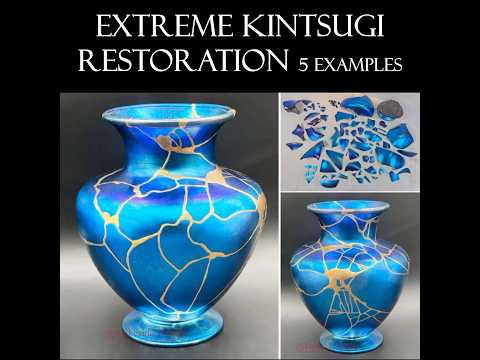
B) Missing rim section and applying gold Kintsugi
C) Recreating a missing sculpture foot (video)
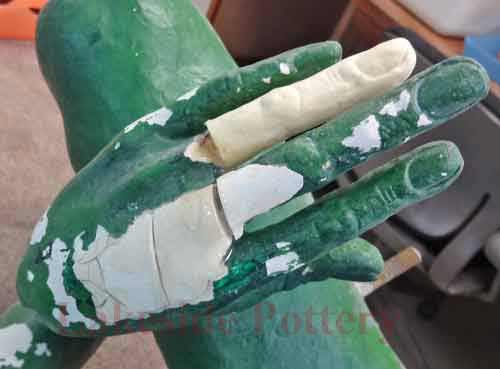
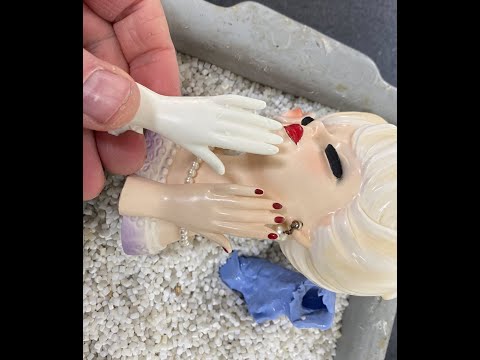
D) Recreating a missing sculpture or vase hand (video)
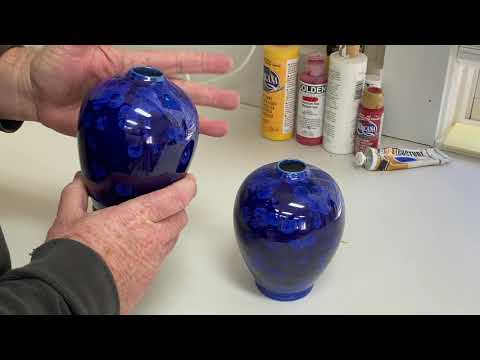
E) Adding a missing vase base (video)
F) Sculpting and casting a missing cup handle with Kintsugi finish (video)
G) Missing cup handle added with gold Kintsugi (video)
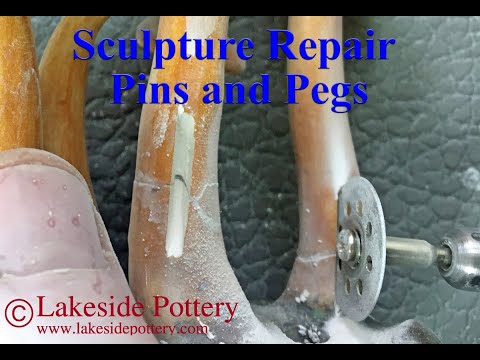
- How to Repair Sculpture, Statue or Figurine When Metal Pins or Pegs Are Required
Video lesson (includes painting and glazing steps)
- Painting Lesson on Repaired Pottery or Ceramic
Sub-topics: Principles of hiding repair lines Painting repaired vessels with gold details
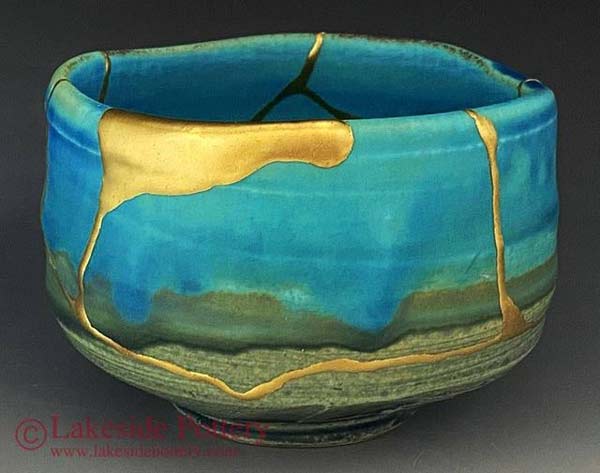
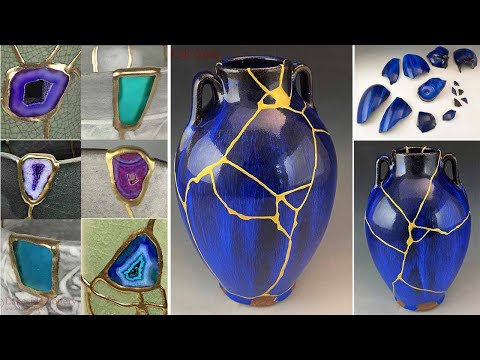
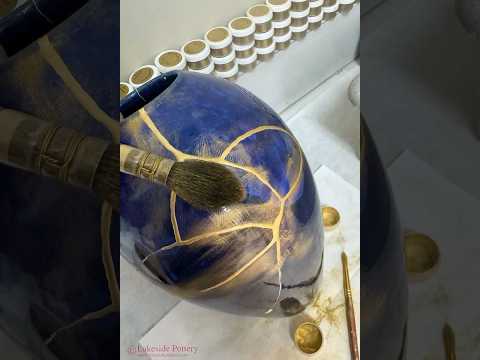
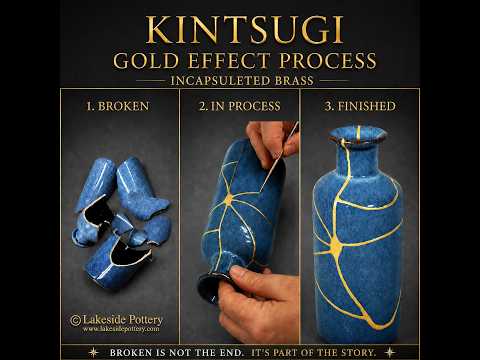
- Kintsugi / Kintsukuroi Pottery Repair Tutorial
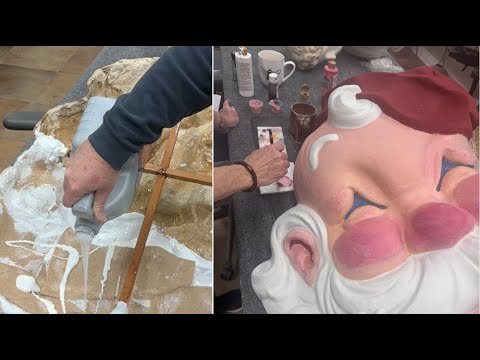
- Restoring Almost a 100 Year Old Crumbling Paper-Mache Large Santa Sculpture
Video lesson
- Filling a Large Gap Pottery Repair Lesson
- Earthenware Vase Repair Lesson
- Bowl Repair Lesson With Missing Pieces
- How to Make Missing Parts Using Mold & Resin
Video lesson
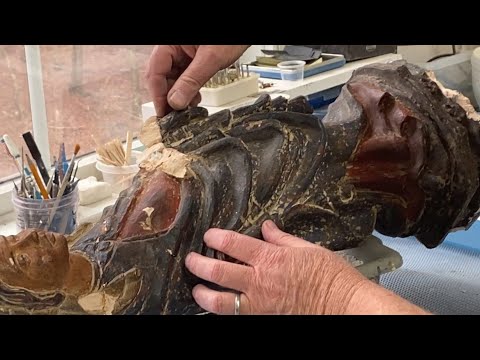
- Restoring Large Madonna and Child Ceramic Statue
- Ceramic Sculpture Repair Lesson
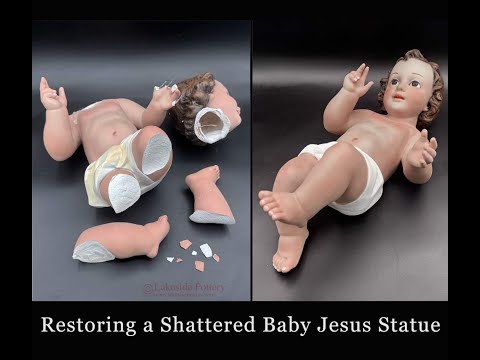
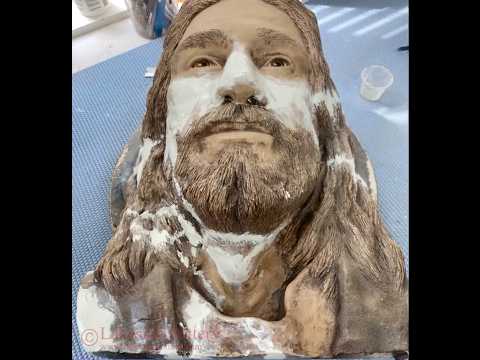
- Broken Plaster Sculptures Repair
A) Plaster Infant Jesus statue with missing fingers (video)
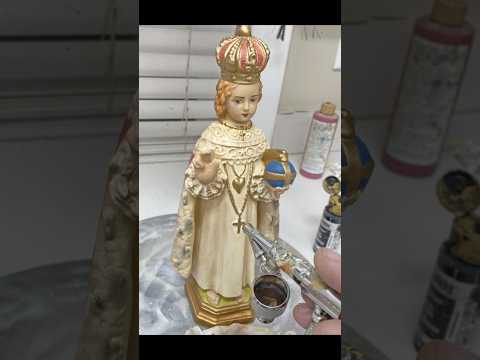
B) Plaster Infant of Prague statue with missing segments (video)
- Bronze Sculpture or Bust Repair Lesson
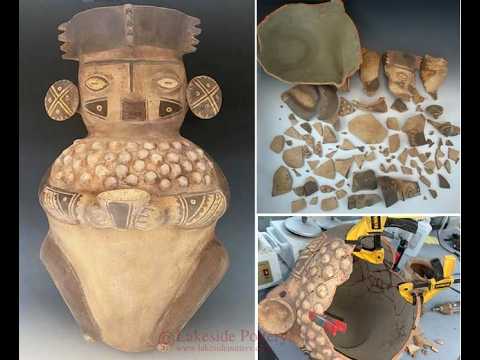
- Illustrations of Repairing Ancient Pottery
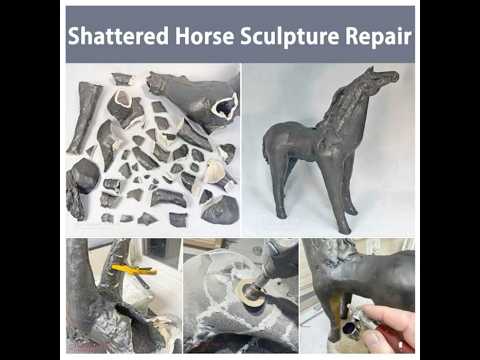
- Broken Sculpture Figure Repair Lesson
- Removing Old Adhesive Lesson
- Broken Stone Sculpture Repair Lesson
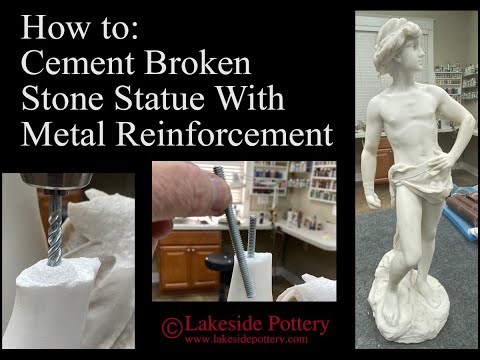
- How to Repair Broken Stone Sculpture or Statue Requiring Metal Reinforcement
- Replacing Missing Hand in a Figurine
- Selecting the Right Glue
Epoxy vs. Cyanoacrylate (Super Glue)
- Repairing Metal Sculpture
- Removing Stain from Pottery, China or Ceramic
- Illustrations of Repairing Large Shona Stone Sculpture
- Illustrations of Repairing Plaster Bust
Deacon Jones NFL Hall of Fame plaster bust
- Illustrations of Hopi Indian Pottery Repair
- Illustrations of Ancient Method of Repairing Pottery with Staples
- Antique Figurine Repair Process
Over 100 years old heavily damaged figurine (step-by-step photos)
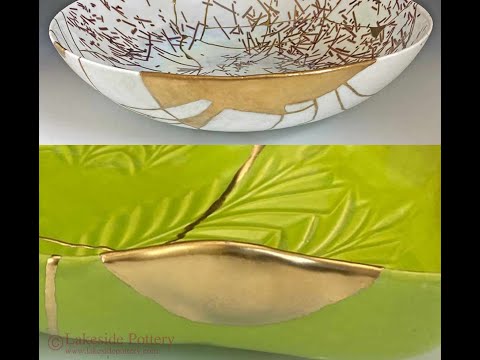
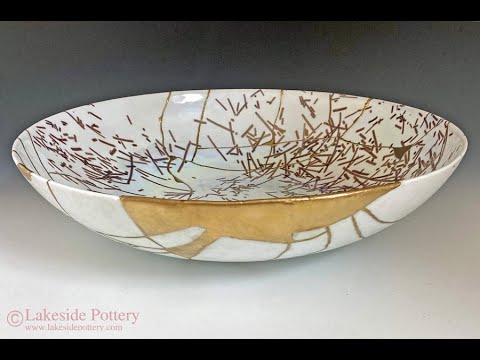
- Very Broken Large Bowl With Missing Segments Repaired and Finished with Kintsugi Process
Video lesson
- Porcelain and China Marking and Symbols
- Achieving Professional Results with Cold Glaze
PDF lesson
Back to top
Technical Essays
Practical guidance on materials methods decision points and the real world tradeoffs
that determine strength appearance and long term outcomes.
|
9. Hxtal Epoxy Why It Resists Yellowing and Why It Must Be Treated Differently
Hxtal epoxy adhesive is the only epoxy resin we know of that resists yellowing when exposed to light.
Its exceptional stability comes from its ultra-high purity. During manufacturing all trace metal ions are removed.
In ordinary epoxy adhesives these residual metal ions are what trigger discoloration over time.
Because of this extraordinary level of purity Hxtal must not be treated like a typical hardware store epoxy adhesive.
Read Article
|
|
10. What Makes a Good Ceramic Adhesive
Mending a broken lamp using 2-part epoxy
Bond strength (shear & tensile)
Gap-filling ability
Visual impact on the repair line
Heat / UV stability
Reversibility (Reversible or not)
Many DIY guides treat super glue and epoxy as interchangeable, but the two adhesives behave very differently.
Both can form strong bonds, yet their chemistry, working time, and gap-filling ability vary widely.
Picking the one that matches your piece and repair goals is the key to strength, appearance, and long-term durability.
Read Article
|
|
11. Choosing and Selecting The Right Clay Body
Choosing a clay body is a practical decision shaped by the end product, budget, and your current skill level.
It also depends on the kiln you have access to and its temperature limits, because every clay has a specific firing range.
Many potters end up using more than one clay body when switching between wheel throwing and hand-building.
This guide shares the variables we learned to check so you can select the best clay for your goals with fewer surprises.
Read Article
|
|
12. Clay Drying and Firing Process
Clay changes in predictable stages during drying and kiln firing, and understanding those stages prevents many common failures.
When you know what is happening physically and chemically, you can avoid defects like cracking, breaking, and even pieces exploding in the kiln.
The same knowledge helps troubleshoot glaze problems that often start earlier in the drying or bisque process.
This essay explains the key transitions so you can make better decisions at each step and diagnose issues faster.
Read Article
|
|
13. Complete Guide to Selecting, Installing, and Safely Operating Electric Pottery Kilns for Home Studios
Whether you are buying your first kiln new or used, safety and reliability start before you ever plug it in.
A used kiln can be an excellent affordable entry into firing, but it must be inspected and supported correctly to avoid costly or dangerous problems.
This guide walks through what to check, how to set up your space, and the essential steps for safe day-to-day firing.
Done right, an electric kiln becomes a dependable tool you can use with confidence for years.
Read Article
|
|
14. Estimating Kiln Firing Cost
We have operated electric kilns for years, firing multiple times each month, and we are often asked what a firing truly costs.
Many people assume electricity is the biggest expense, but in real studio life it is often the least of our concerns.
This essay breaks down the practical way to estimate cost per firing so you can budget accurately and price work responsibly.
Once the math is clear, you can make firing decisions based on facts instead of guesswork.
Read Article
Back to top
|
Reflective Essays
Essays on meaning responsibility teaching and the human side of making and restoring
what people love and live with.
|
21. If I Were Neither Jewish nor Israeli: A Moral Reckoning with Israel and Palestine
Born in Israel to Holocaust-survivor parents and later a soldier in the IDF, Morty Bachar examines the national story he once accepted. Through his family’s experiences, personal memories, and Israel’s own archival records, he confronts eighty years of Palestinian dispossession and asks a simple question: What becomes morally clear when loyalty, fear, and inherited identity are stripped away?
|
Back to top
Questions and Answers
|
Restoration Questions and Answers
We are often asked for advice and have archived some of the common questions and answers below. For more detailed ceramic, pottery, and sculpture repair lessons, explore the articles and tutorials throughout our site.
Visit Q&A
|
|
Kintsugi Questions and Answers
Many people come to us with questions about the history, methods, and meaning of Kintsugi. To help, we have created this page with two parts:
A quick overview of common questions with short answers,
Followed by a detailed Q&A with in-depth explanations and examples.
Visit Q&A
|
|
Where to Find a Kintsugi Workshop or Studio Near You
Discover where to learn, practice, or purchase authentic Kintsugi near you. This international directory highlights reputable Kintsugi studios, artists, and cultural centers worldwide. Each listing shows if they offer workshops, classes, or custom commissions, with direct links to their websites. Whether you are seeking traditional urushi-based Kintsugi or modern approaches, this guide connects you with trusted options close to home.
View Directory
|
|
List of pottery terms and abbreviations
A list of pottery terms and abbreviations used by ceramic artists in most areas of the world. Each culture has established terms which define materials, processes, tools, ingredients and production techniques.
View Glossary
|
|
Techniques, Materials, Tools, and Terms Used in 3-D Art Restoration
A comprehensive, category-organized glossary of essential terms used in pottery, ceramics, stone, metal, plaster, Papier (Paper) Mache, resin, Kintsugi, and sculpture repair and restoration. Includes clear definitions of materials, tools, techniques, adhesives, diagnostics, gap-filling, polishing, and aesthetic finishing used in professional restoration work.
View Glossary
|
Back to top |